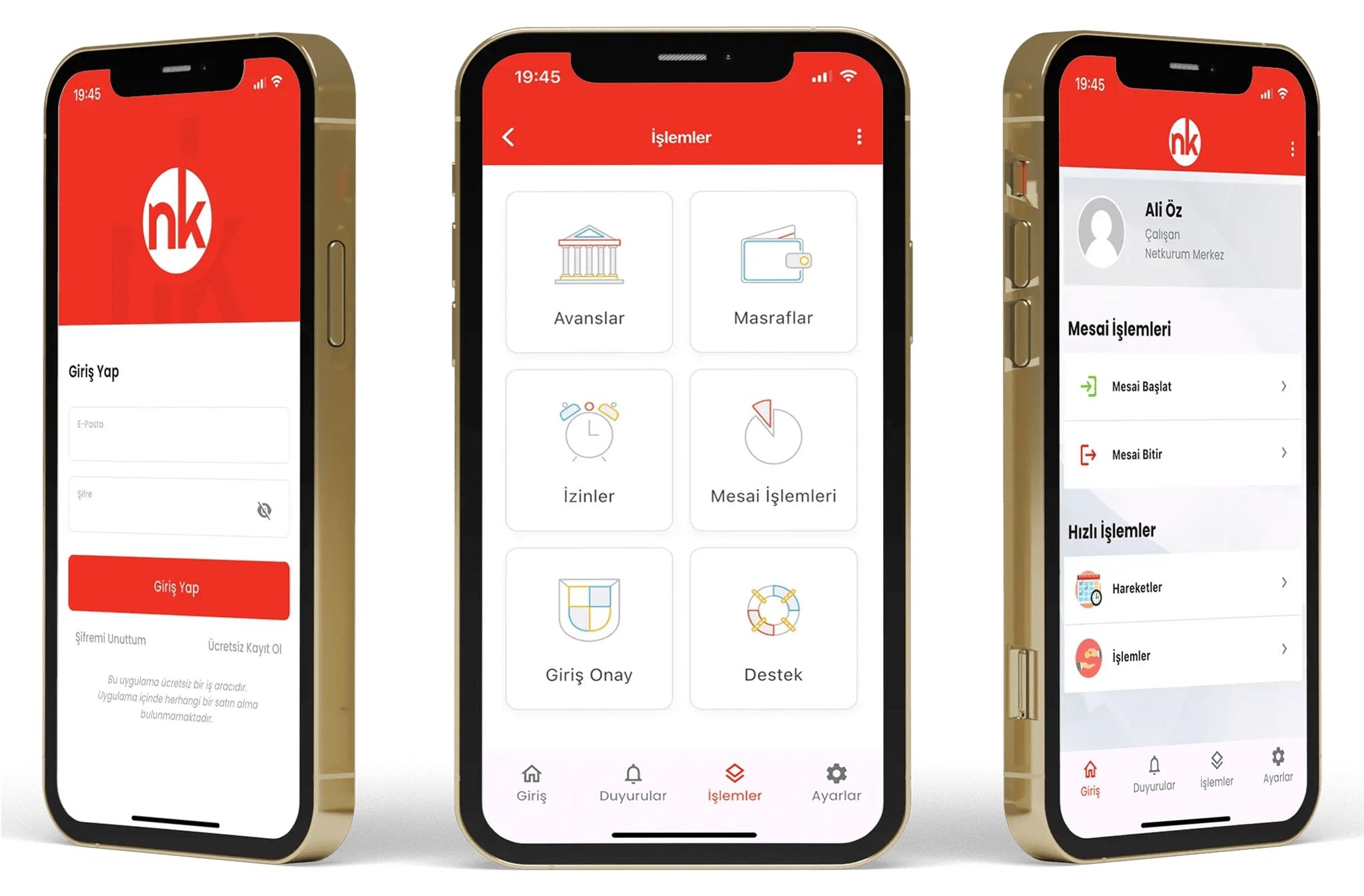



Online Donation Infrastructure

Online Donation Infrastructure: Setup, Security, and User Experience
An online donation platform allows organizations to collect donations through the web, providing donors with an easy and secure way to contribute. Establishing a strong donation infrastructure involves several key steps:
Website Setup:
First, create an attractive and functional website. Ready-made solutions such as WordPress + WooCommerce are commonly used for this purpose. When choosing a theme, prioritize mobile responsiveness and fast loading speeds.
Creating Donation Products:
In WooCommerce, donation amounts (e.g., 100₺, 250₺, or “Donate Any Amount”) are defined as “products.” This allows users to choose a donation package on a shopping cart page and proceed easily.
Payment Gateway Integration:
In Turkey, virtual POS solutions like iyzico, PayTR, and Shopier are integrated to enable credit card, bank transfer, or mobile payment options. These payment plugins are added to the site’s checkout page.
Security and Legal Compliance:
An SSL certificate must be installed, and the website should operate via HTTPS. KVKK (Personal Data Protection Law) and privacy policies should be prepared and published on the site. Additionally, tools like Google reCAPTCHA should be used to protect forms from spam attacks.
Transparency:
Donation amounts and usage reports should be shared, and campaign updates and donor thank-you messages should be sent automatically via email. This approach enhances user trust.
Security Requirements
For a donation platform, trust is the most critical factor. Key security measures include:
Use of SSL/TLS:
Payment information entered into the donation form must be transmitted through encrypted channels. Free SSL certificates such as Let’s Encrypt can be used.
Transparency Policies and Data Protection (KVKK):
The website should clearly display its privacy policy and personal data disclosure statement, ensuring user confidence. It must explicitly state how collected personal data will be used.
Secure Forms:
Implement Google reCAPTCHA or similar verification tools to prevent spam and bot attacks.
Virtual POS Security:
Credit card details should never reach the web server; they must be processed directly by the payment provider. PCI DSS compliance should be ensured, and payment plugins must be kept up to date.
User Experience (UX)
Donation processes should be as simple and fast as possible. Mobile compatibility is crucial, as most donations today come from mobile devices. Therefore, the theme and forms should support touch interaction, with large buttons and fast-loading pages.
Additional UX recommendations include:
Easy Navigation:
“Donate Now” buttons should be highly visible, and the process should be completed in just a few steps. Unnecessary pages or lengthy forms can discourage users.
Customization:
The organization’s logo, colors, and campaign details should be highlighted on the donation page to foster a sense of trust and belonging among users.
Extra Features:
QR code donations, recurring monthly payments (subscription-based donations), and instant thank-you messages can significantly enhance the user experience.
A strong online donation infrastructure not only helps organizations collect more funds but also builds long-term trust between the donor and the organization. Even without technical expertise, an active donation site can be quickly launched using ready-made platforms such as Fonzip or Donorbox, or with professional support.